
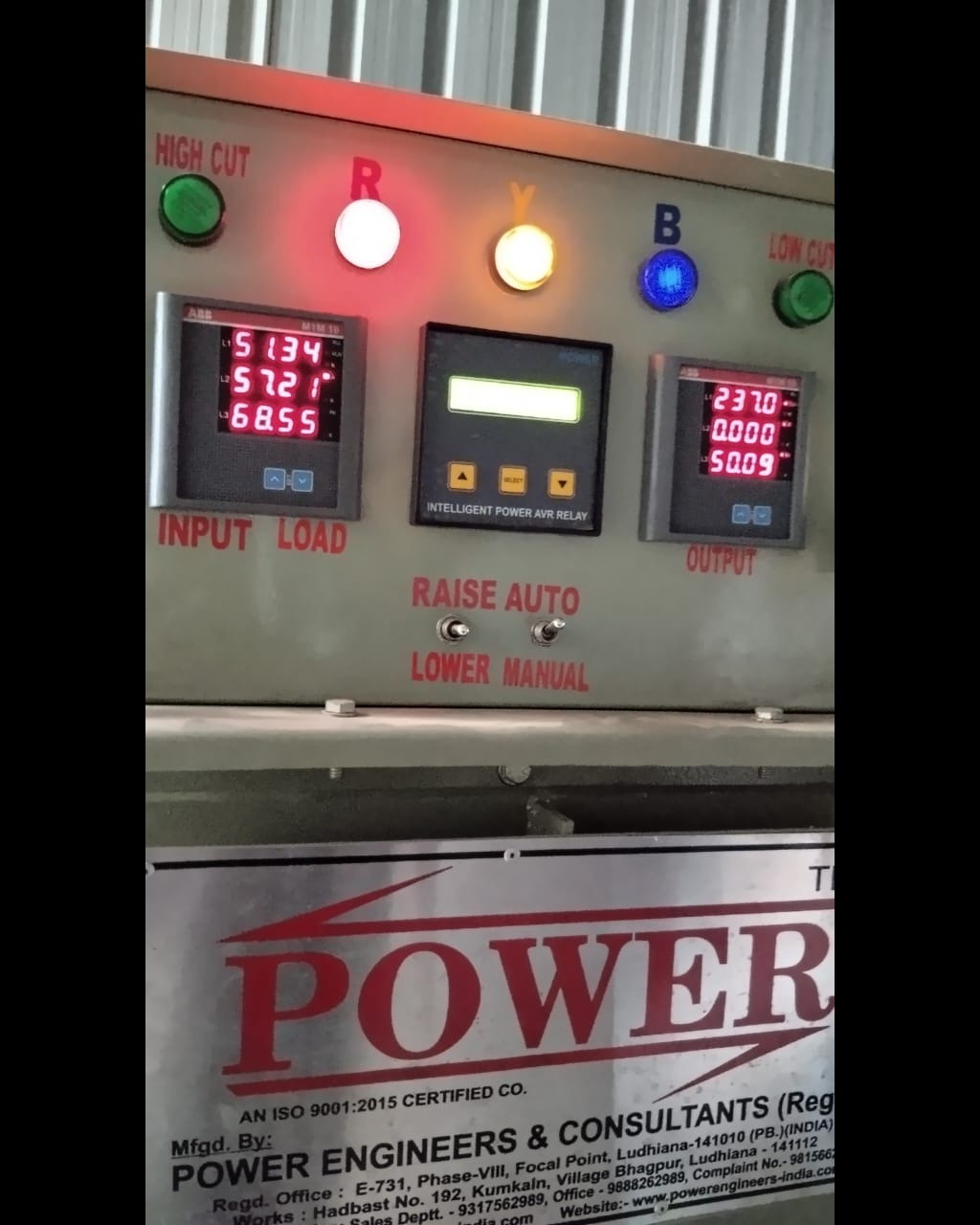
A 'servo-controlled' system, or servomechanism, is a closed-loop control system that uses a feedback mechanism to maintain a desired position, velocity, or other parameter with high precision. The term is derived from the Latin word 'servus, ' meaning 'slave, ' as the system 'slavishly' follows the instructions it's given.
At its core, a servo-controlled system consists of three main components: a motor or actuator, a sensor (like an encoder or potentiometer) that measures the current state, and a controller that compares the desired input with the sensor's feedback. If there's a difference, the controller sends a signal to the motor to correct the error until the desired state is achieved. This continuous feedback loop ensures a high degree of accuracy and repeatability.