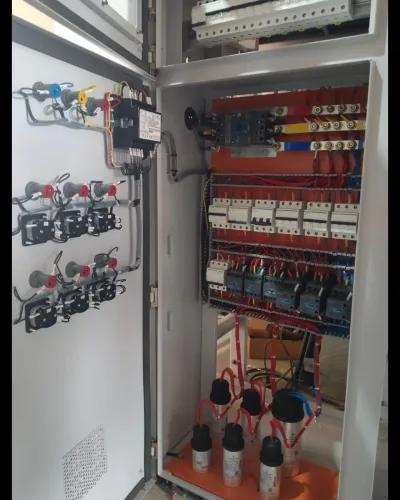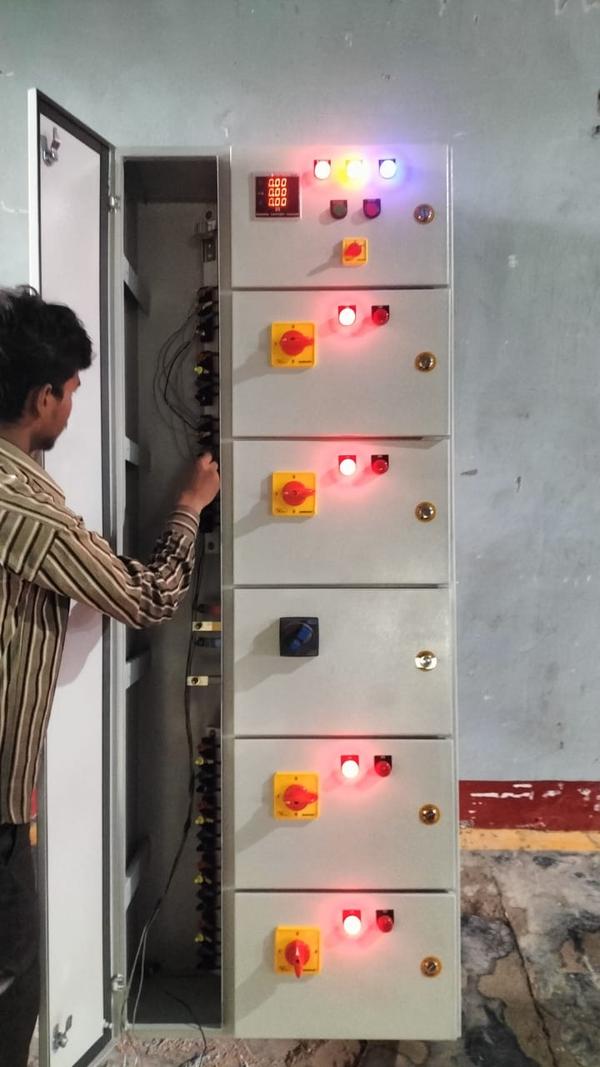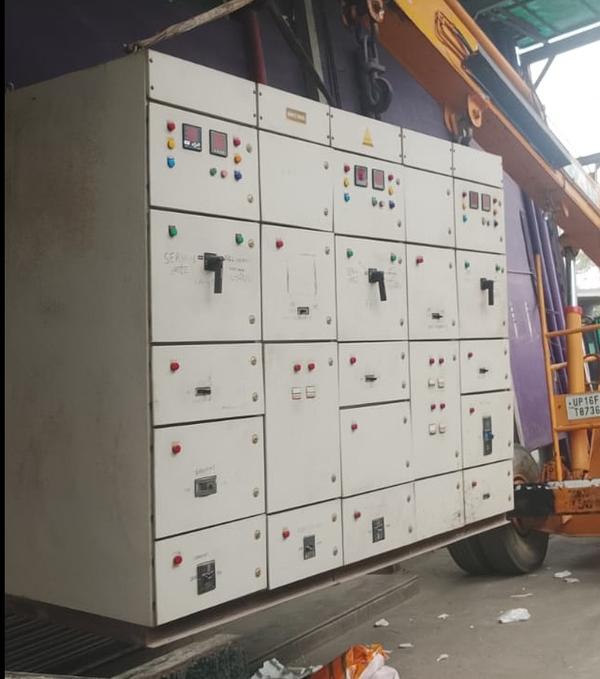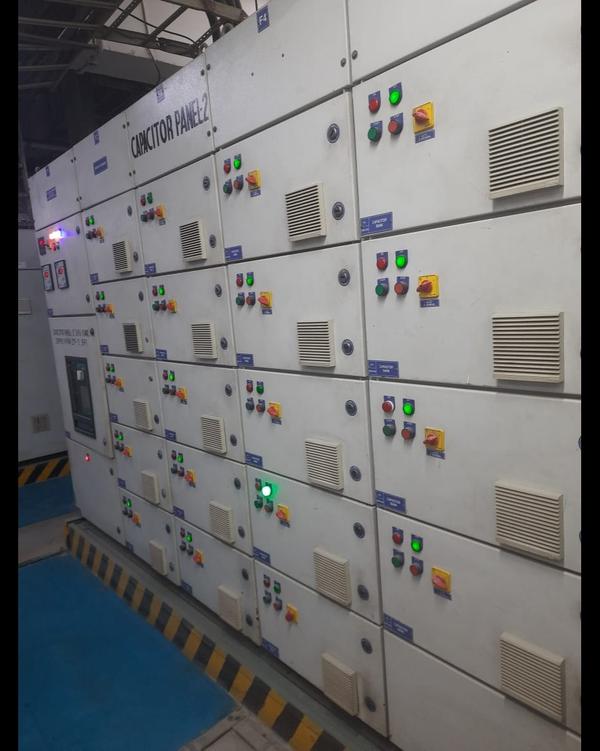

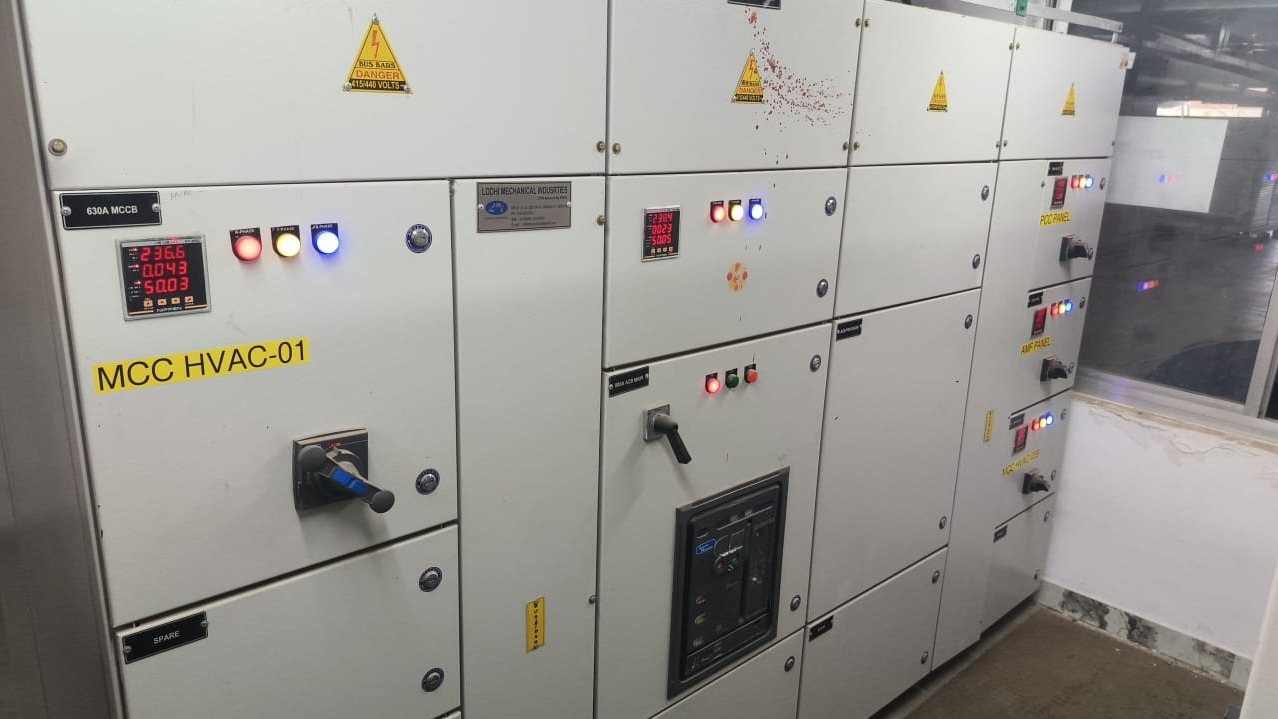
The Power Factor Management System offered by YS Engineering Solution is an advanced electrical solution developed to improve energy efficiency, reduce power losses, and maintain a stable electrical distribution system in industrial and commercial facilities. Power factor is one of the most important parameters in an electrical system because it indicates how efficiently electrical power is being utilized. In industries where heavy inductive loads such as motors, transformers, compressors, pumps, and welding machines are used, the power factor often decreases due to excessive reactive power consumption. A low power factor can result in higher electricity charges, energy wastage, voltage drops, overheating of equipment, and penalties imposed by electricity boards. To overcome these problems, YS Engineering Solution provides a highly efficient Power Factor Management System that continuously monitors and controls the power factor automatically. The system generally includes APFC panels, capacitor banks, intelligent controllers, relays, and protection devices that work together to optimize power usage and maintain the desired power factor level. The intelligent controller analyzes load variations and automatically switches capacitor stages according to system requirements, ensuring smooth and efficient operation without manual intervention. This improves the performance of electrical equipment, reduces transformer and cable losses, and enhances the life of motors and machinery. The system also helps in maintaining voltage stability and reducing unnecessary load on the electrical network. YS Engineering Solution designs these systems using high-quality components and modern technology to ensure safety, durability, and reliable performance in demanding industrial environments. The Power Factor Management System is widely used in manufacturing plants, commercial buildings, hospitals, shopping complexes, and other facilities with heavy power consumption. By implementing this system, businesses can achieve significant energy savings, lower maintenance costs, improved operational efficiency, and better compliance with electrical standards and utility regulations.