Thank you for writing to us. One of our executive will reach back to you through your submitted medium. In case there’s an urgency, feel free to connect over WhatsApp for faster response.
Prefer calling? Dial +917834833000 (International callers) or +917834833000 (Indian callers).
Transformers are critical components of electrical power systems, converting voltage levels to ensure efficient energy distribution.
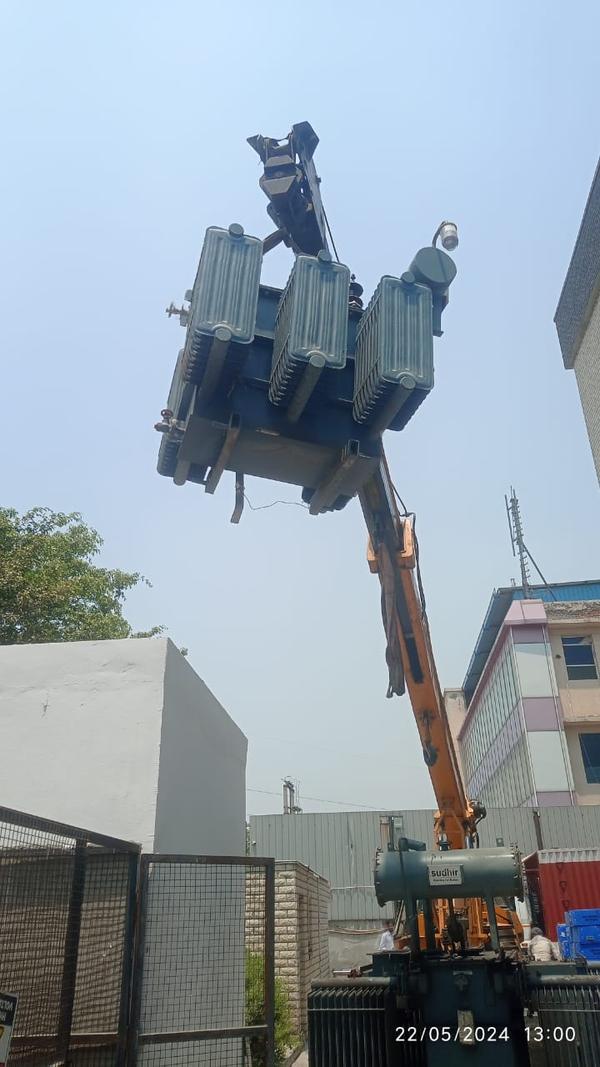
When a transformer malfunctions, it can disrupt power supply, leading to significant economic losses and inconvenience. This is where expert transformer repair services become indispensable.
Common Transformer Issues and Repairs
Overheating:
Excessive heat can damage insulation and reduce transformer lifespan. Repair involves identifying the root cause (overloading, faulty cooling system, etc.) and implementing corrective measures.
Oil Leaks: Oil leaks can compromise insulation and pose environmental risks. Repair includes locating the leak, sealing it, and replacing contaminated oil.
Winding Failures: Short circuits or open circuits in windings can cause transformer failure. Repair typically involves rewinding damaged sections or replacing entire windings.
Core Issues: Issues like core damage or lamination problems can affect transformer performance. Repair might involve core restacking or replacement.
Insulation Breakdown: Deteriorated insulation can lead to electrical breakdowns. Repair includes replacing damaged insulation and ensuring proper dielectric strength.

Transformer Oil Dehydration: Keeping Your Transformers Healthy
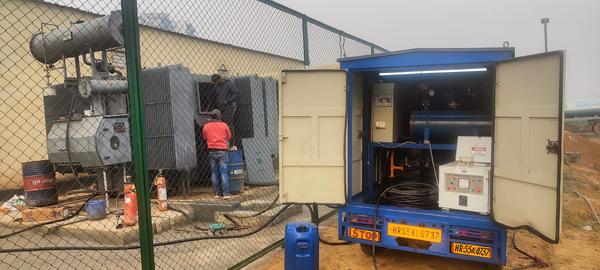
Transformer oil is a vital component of electrical transformers, acting as an insulator and coolant. Over time, however, this oil can degrade and become contaminated with moisture, reducing its effectiveness. Transformer oil dehydration is a process that removes moisture from the oil, improving its performance and extending the life of your transformer.
Why is Transformer Oil Dehydration Important?
Water contamination in transformer oil is detrimental for a few reasons:
Reduced Dielectric Strength: Water reduces the oil's ability to resist electrical current, increasing the risk of arcing and transformer failure.
Accelerated Insulation Aging: Moisture can cause the paper insulation within the transformer to degrade faster, leading to costly repairs or replacements.
Formation of Gas Bubbles: Water can form bubbles in the oil, which can become hotspots and further weaken the insulation.
Transformer Oil Dehydration Methods
There are two main methods for transformer oil dehydration:
Vacuum Dehydration: This method uses a vacuum pump to lower the pressure in the oil, causing the water to evaporate at a lower temperature. The oil is then typically heated to around 60°C to aid the evaporation process.
Desiccant Dehydration: This method utilizes sorbent materials like zeolite to absorb moisture from the oil as it passes through. This is often used in portable dehydration units for online transformer maintenance, where the transformer remains in operation.
Benefits of Transformer Oil Dehydration
Regular transformer oil dehydration offers several benefits:
Extended Transformer Life: By removing moisture, dehydration helps prevent insulation degradation and extends the lifespan of your transformer.
Improved Efficiency: Dryer oil allows for better heat transfer within the transformer, improving its efficiency and reducing operating costs.
Reduced Risk of Failure: Dehydration helps prevent electrical breakdowns and costly transformer failures.
Online vs Offline Dehydration
Transformer oil dehydration can be performed in two ways:
Offline Dehydration: The transformer is taken out of service, and the oil is processed in a separate oil purification unit. This is a more thorough process but requires taking the transformer offline.
Online Dehydration: A portable dehydration unit is connected directly to the transformer's reservoir, allowing for dehydration while the transformer remains in operation. This is a quicker option but may not achieve the same level of dryness as offline dehydration.
Conclusion
Transformer oil dehydration is a critical maintenance procedure for ensuring the health and longevity of your transformers. By removing moisture from the oil, you can improve its insulating properties, extend its life, and reduce the risk of costly failures. For optimal transformer health, consider consulting with a qualified transformer maintenance professional to determine the best dehydration method for your specific needs.
REPAIR AND SERVICES
Still searching for oil leaks?
KHATONI-43,KHEWAT NO - 366, 316, KHASRA NO-990, 336/2 ,VILLAGE-BASAI NEAR BASAI DHANKOT RLY FLYOVER GURUGRAM 122006 HR. .